
Ceramic Ukulele.
A tenor scale on a hand-formed porcelain body. Bright on the attack, warm in the sustain — sized to be played close.
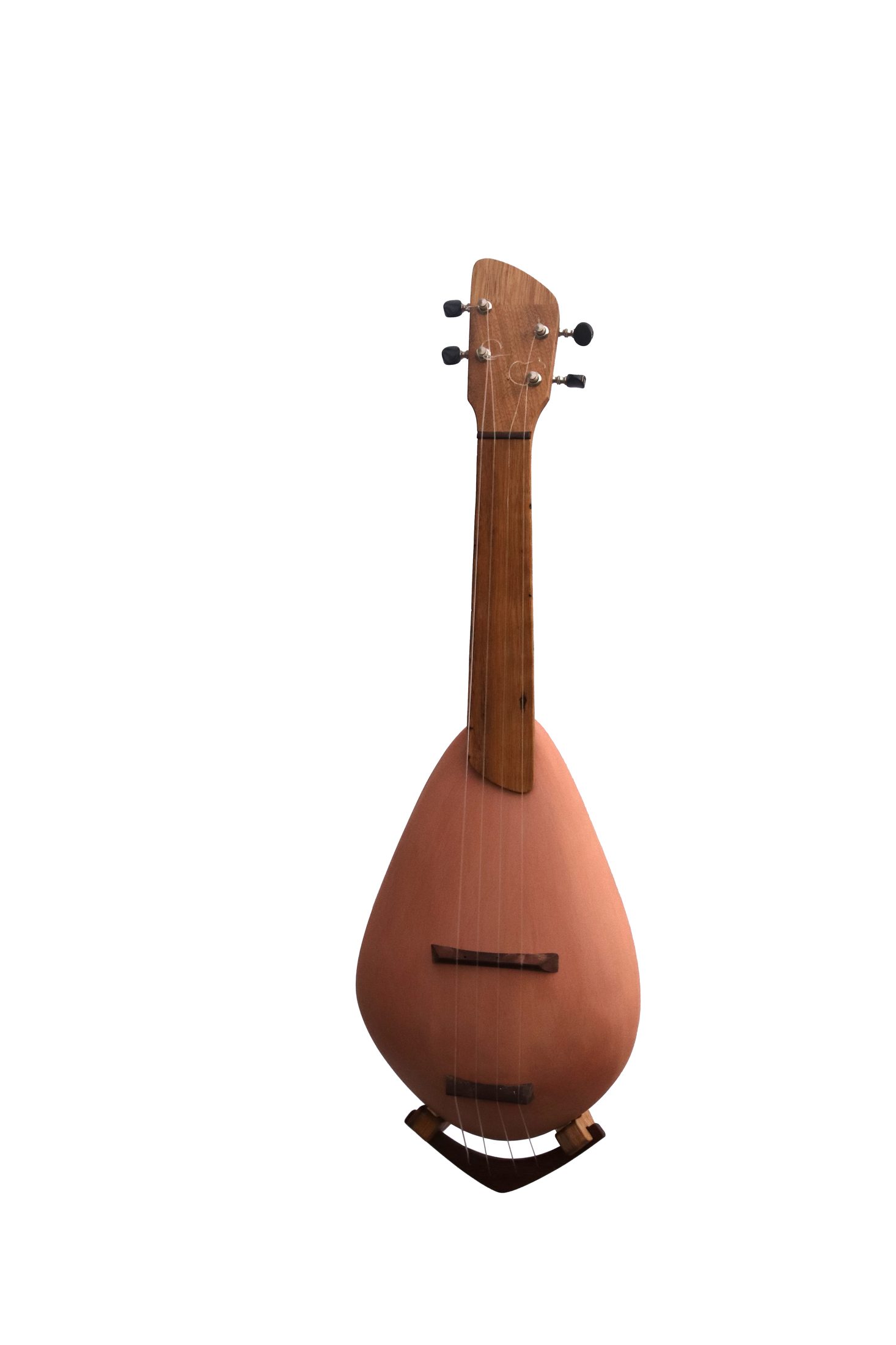
The first of the three.
The ukulele was the first of the three. It was made small on purpose. A small instrument forces a small posture, and a small posture forces a different kind of listening. Porcelain does not project the way thin spruce does — what it does instead is keep the sound a little closer to the player. The notes do not go far across the room; they hold, and then they fade.
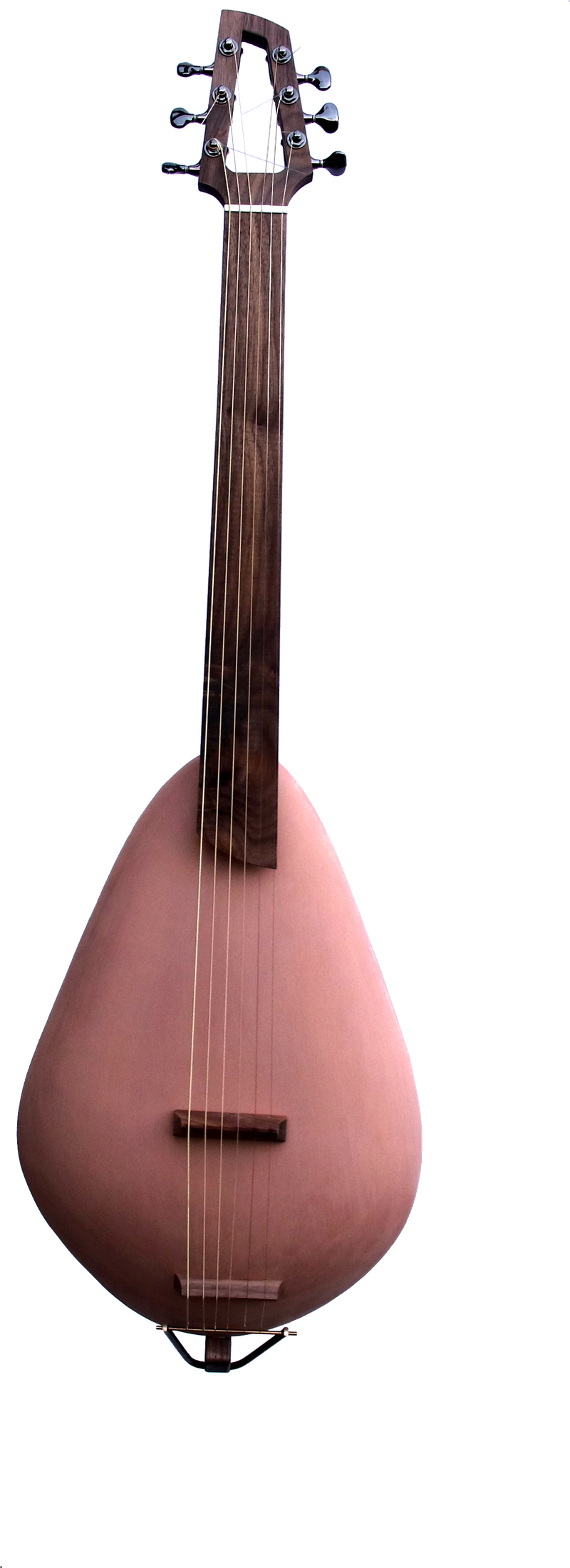
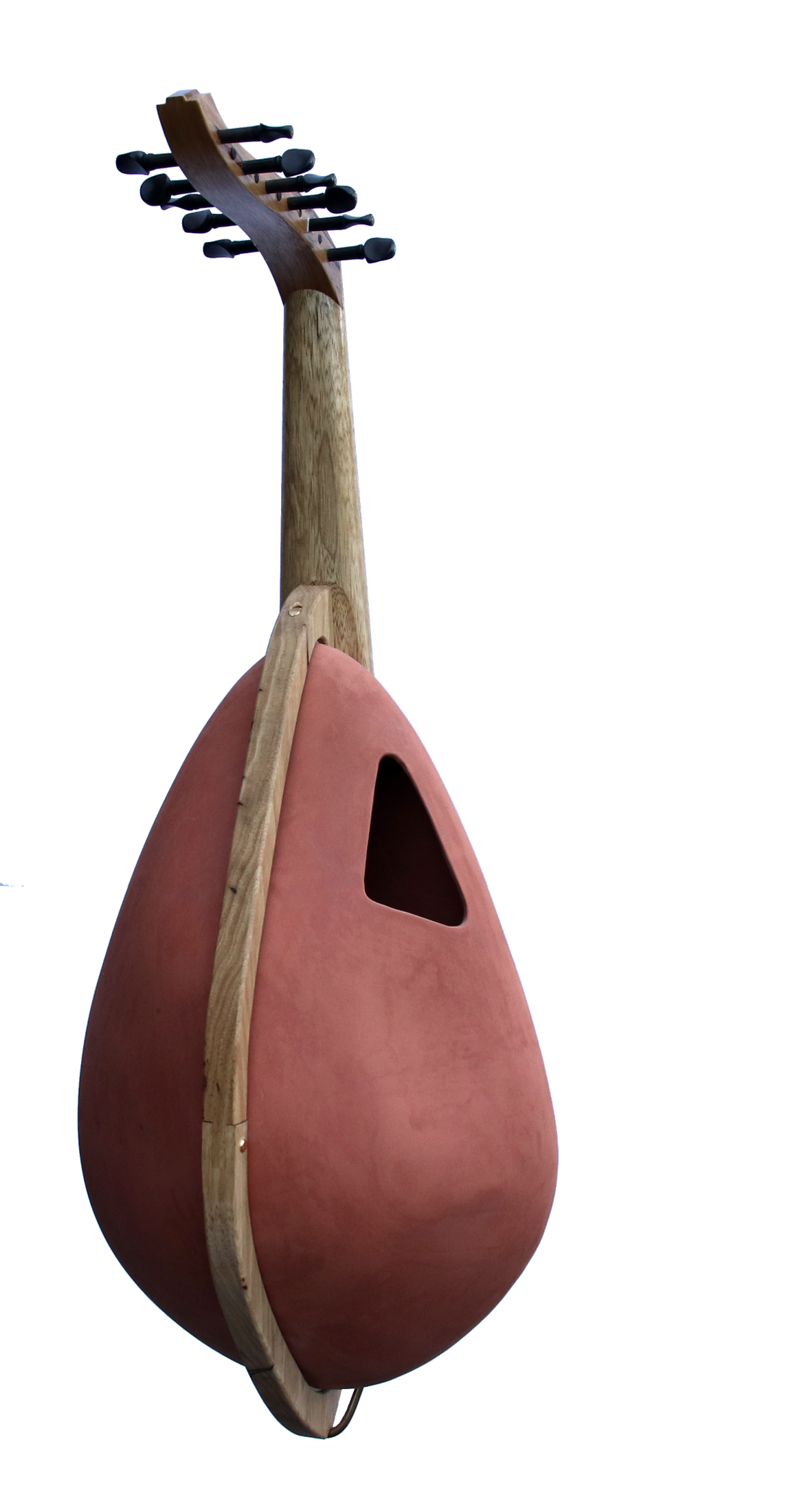
The first prototype was made too thin and cracked at the bout. The second was made thicker, and lost most of its voice. The third — the one in the photograph — found a thickness that the body could carry through firing without losing its resonance. Three rounds in the kiln, and then the neck.
It is a tenor in tuning and in temper. It is meant to be played close. It does not behave well at the back of a stage, and was never asked to.
[TBD — Amit's note on the third prototype that finally rang.]
Materials & making.
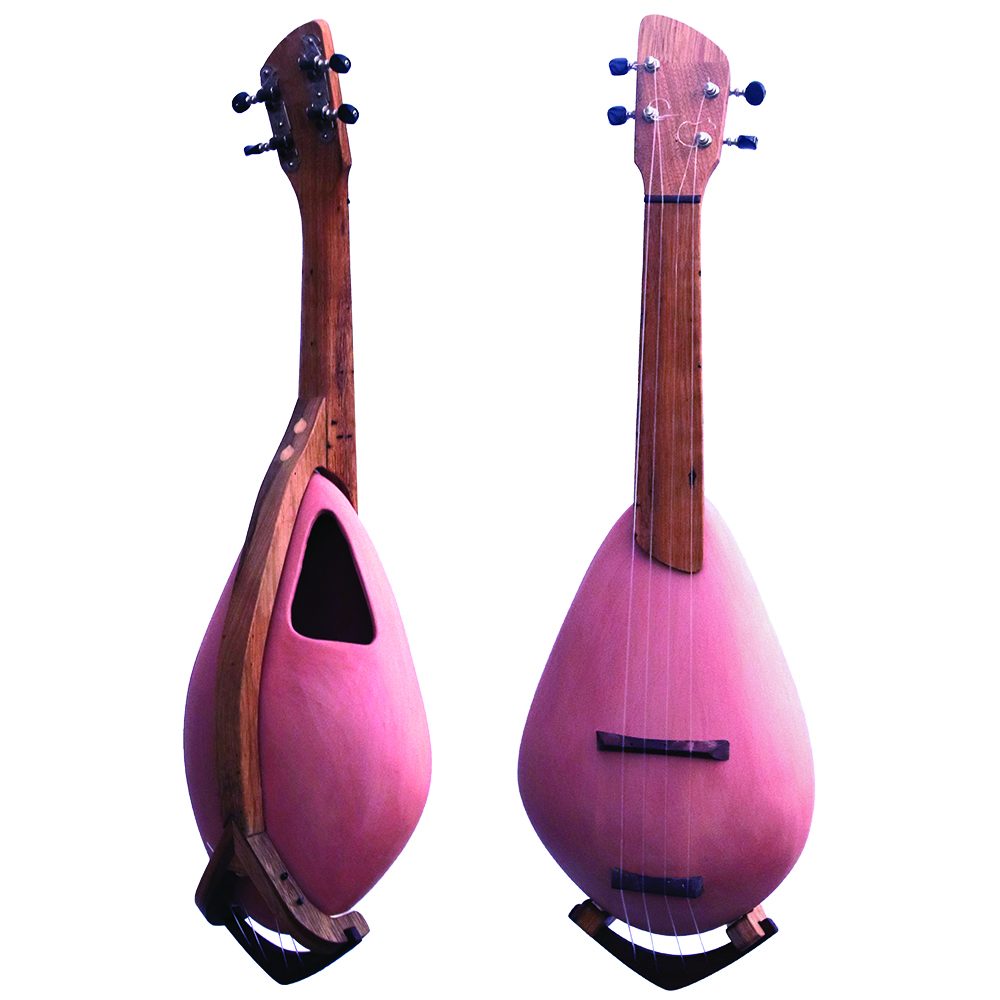
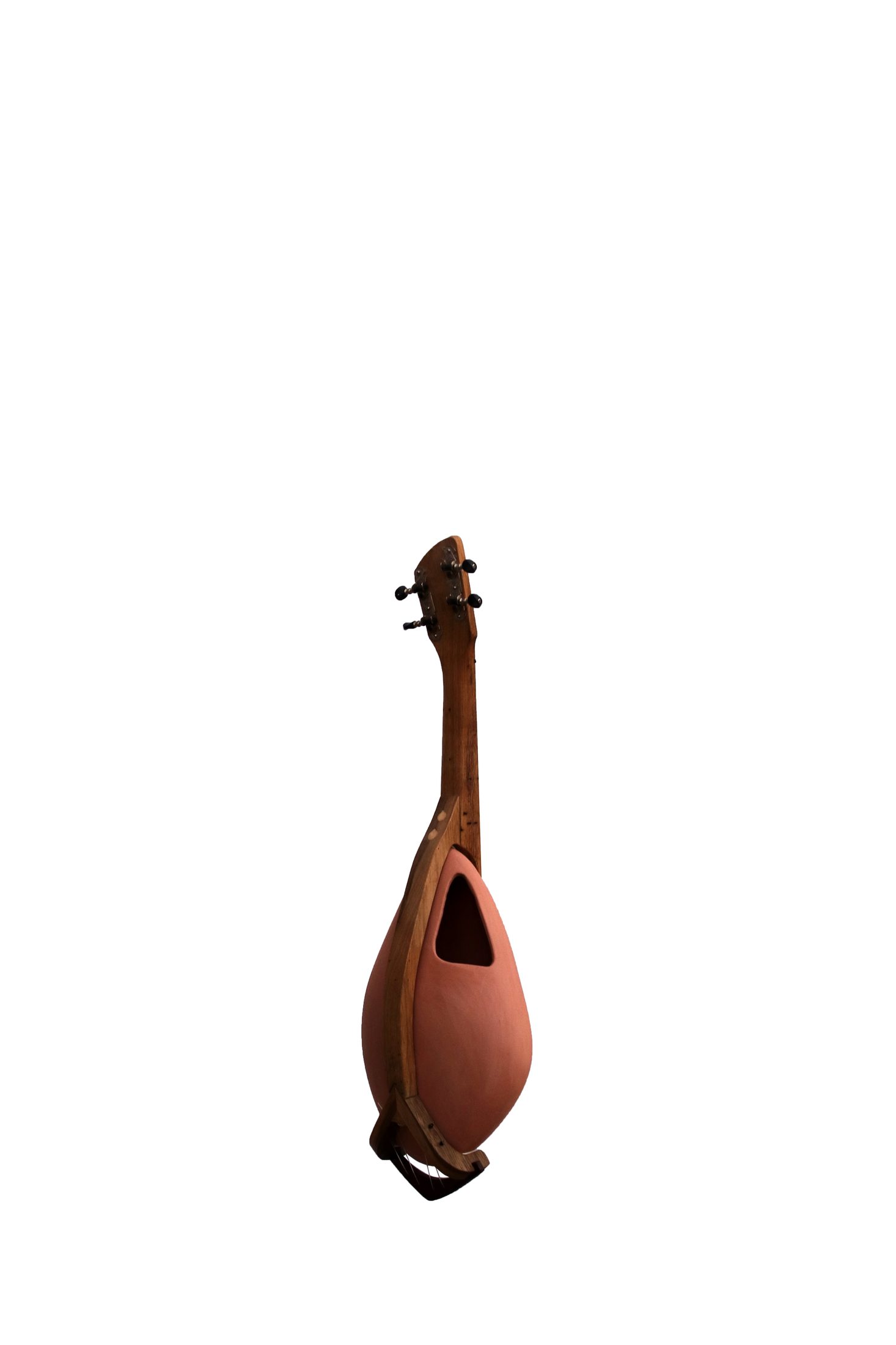
Hand-formed, slow-fired. Wall thickness optimised for resonance over rigidity. The third firing was the one that worked.
Solid walnut, hand-finished, hand-fretted. Joins to the body via a fitted ceramic shoulder. If a part fails, it can be remade in isolation.
Standard tenor gauge. Fluorocarbon. Tuned to the player's preference. [TBD — gauge / tuning preset]
Selected plates.
Make this ukulele yours.
Every instrument begins with a conversation. Together we choose the wood for the neck, the finish for the body, the colour, the texture — and where you'd like to play it. The studio sketches a proposal; ninety days from confirmation to your hands.
Begin a conversation.
Commissions, press, exhibitions, talks. I read every message myself. Reply within two working days.